Ladakh, part one: land of rocks and monks
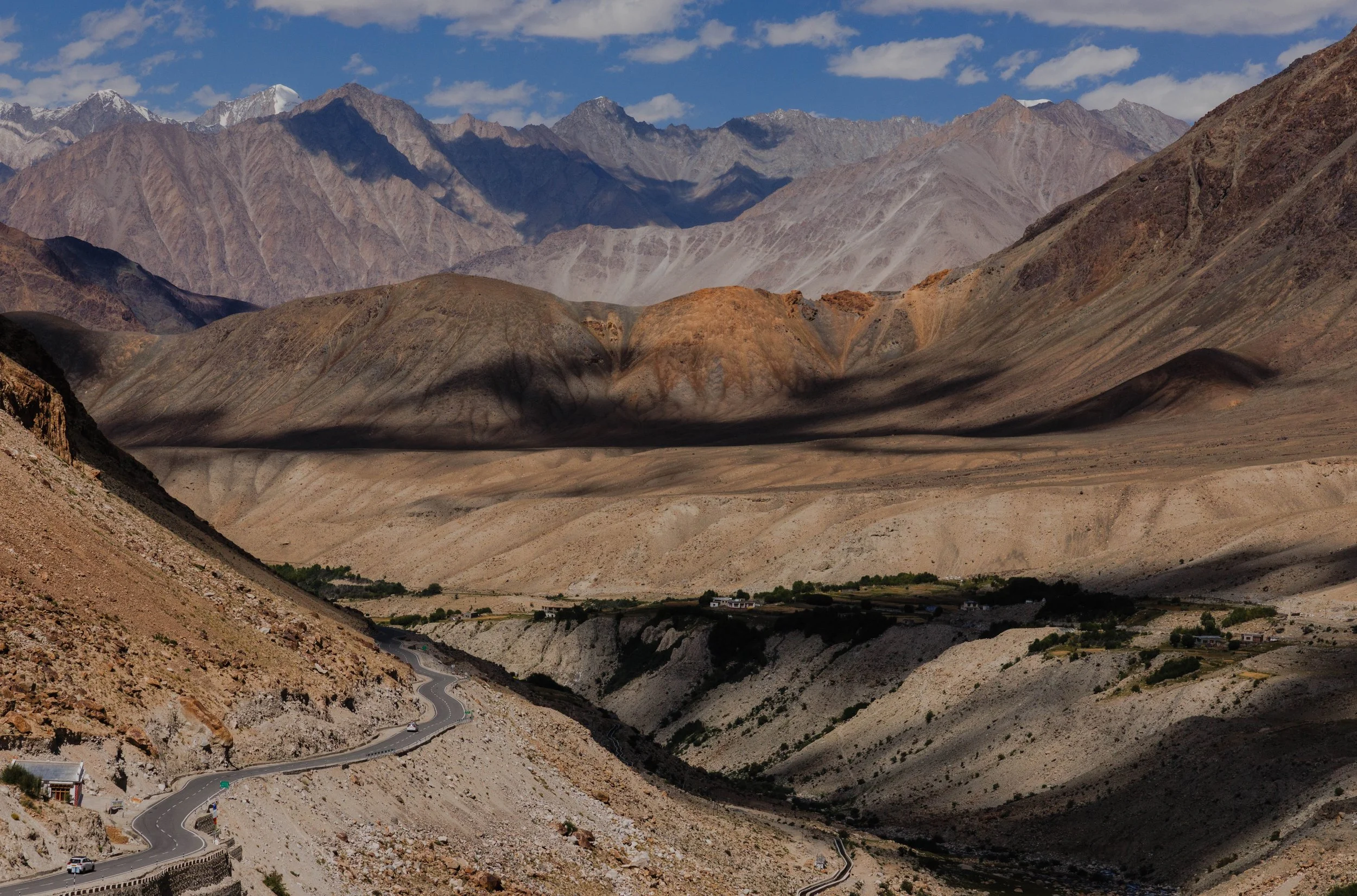
Ladakh Landscapes
Living in India for a few years has granted me access to incredible destinations that otherwise wouldn't have been on my radar. Ladakh was one of them, a place I hadn't even heard of until five months ago.
It promised the serene peace of "Little Tibet," dramatic mountain landscapes, thin alpine air, a clear shot at the Milky Way, and the luxury of no phone signal for most of the journey. For me, it was also an opportunity to sharpen my landscape photography skills and finally put my star tracker to real use.
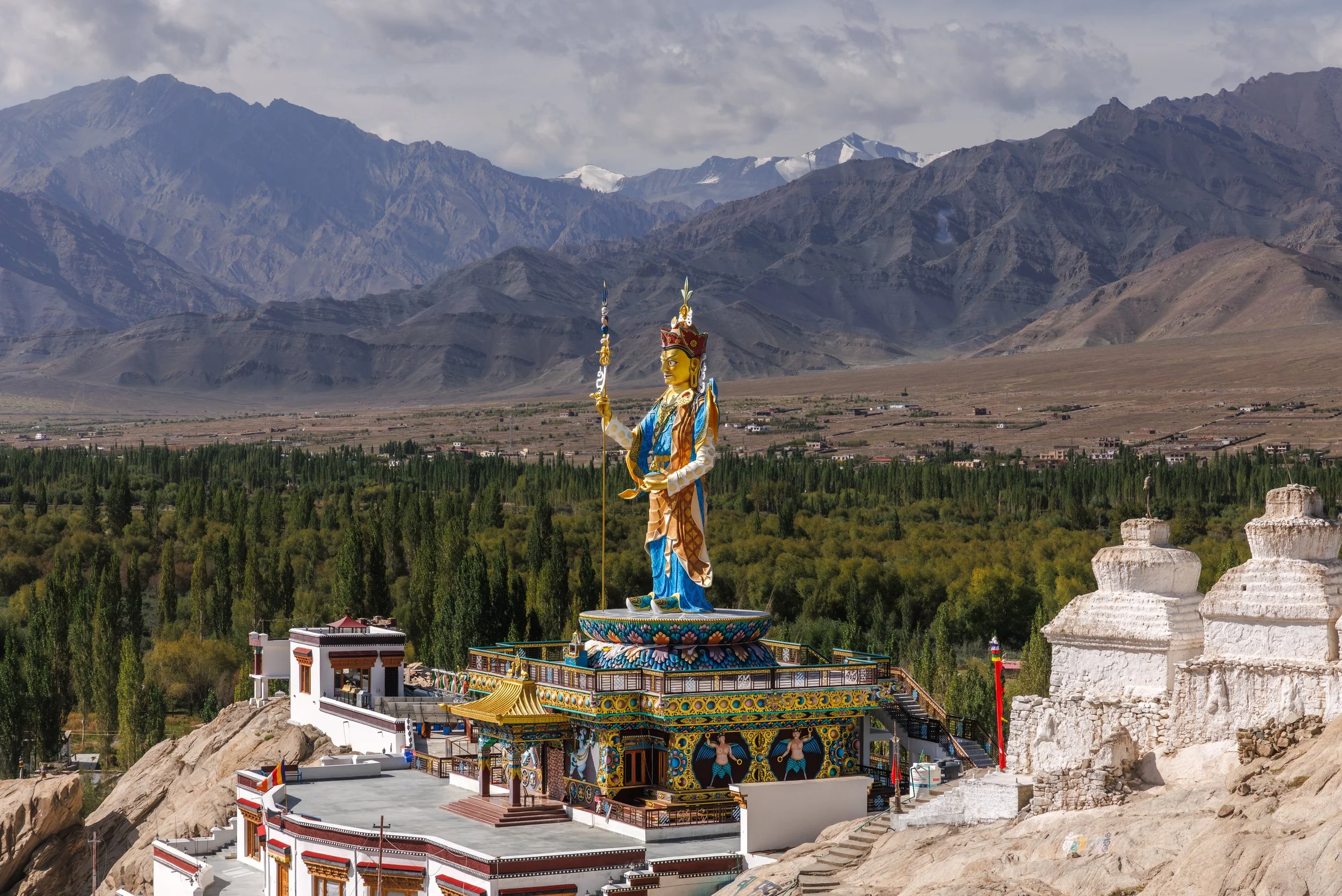
We landed in Leh after a flight over the Himalayas. Given its proximity to Pakistan and China, the airport still doubles as an active military base, and we passed armed personnel on our way into town. Because Leh sits at such a high altitude, we spent our first few days acclimatizing. Leh didn't disappoint. We started by visiting Shey Palace. The view of the valley with the Himalayas as a backdrop was incredible.
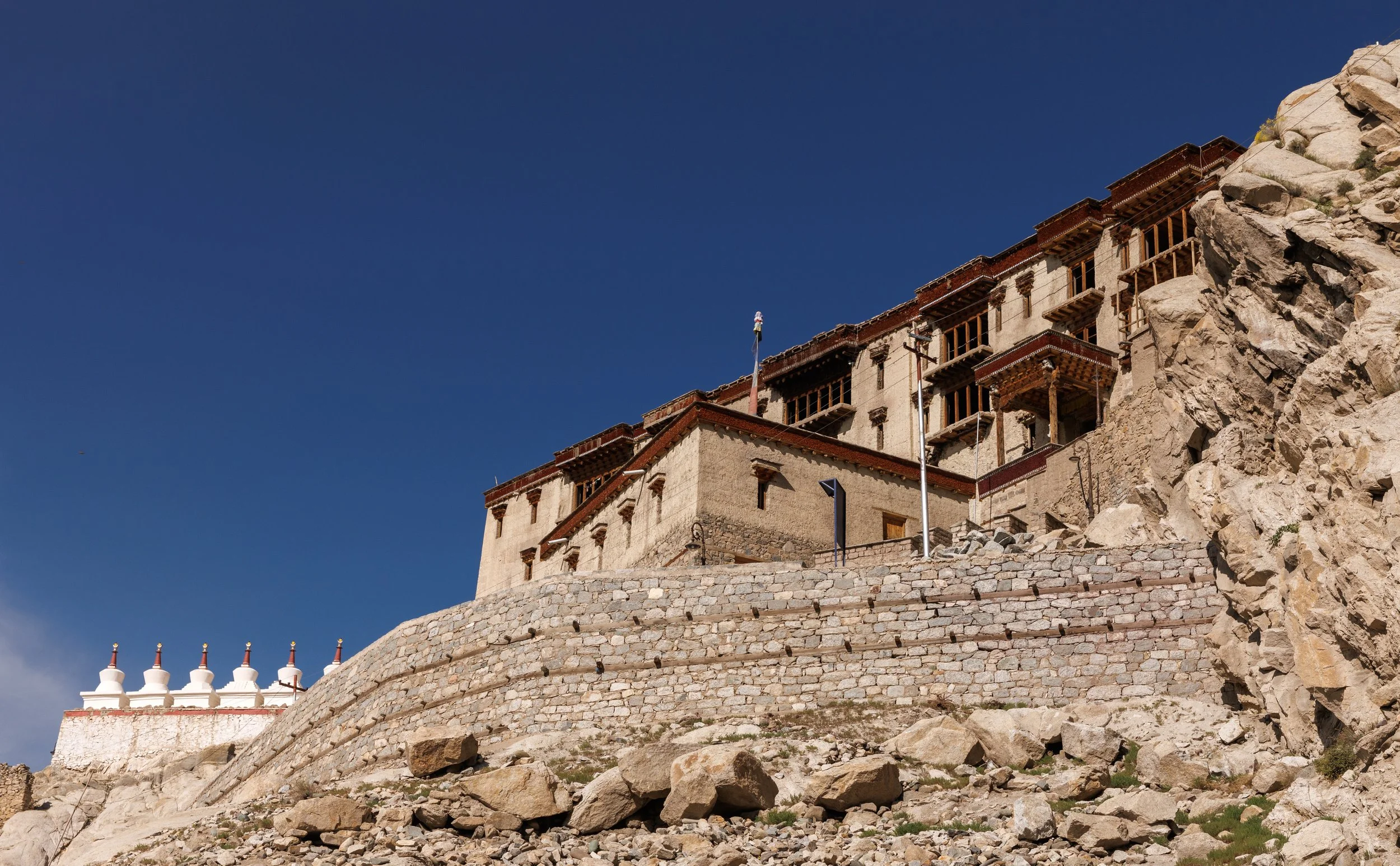
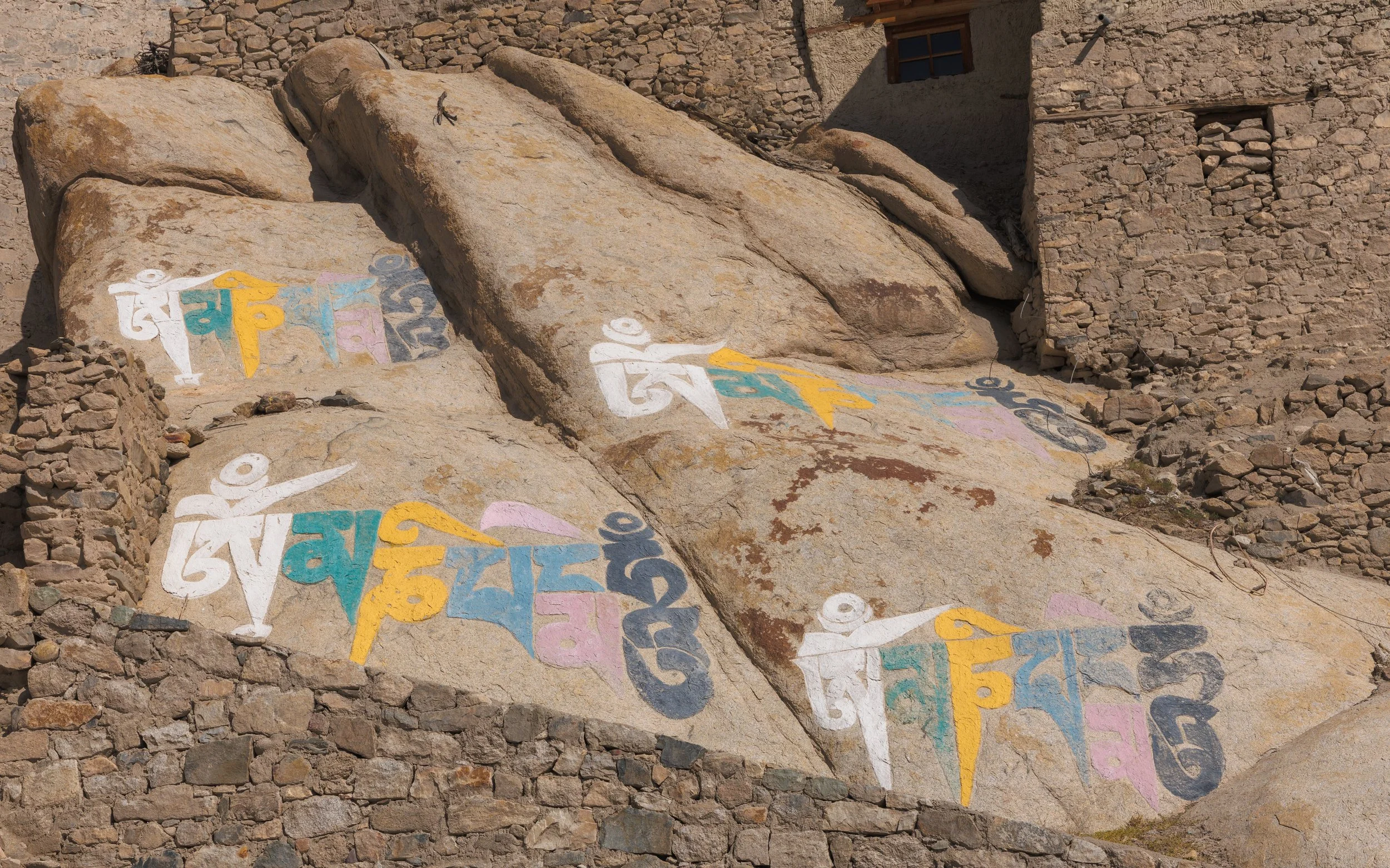
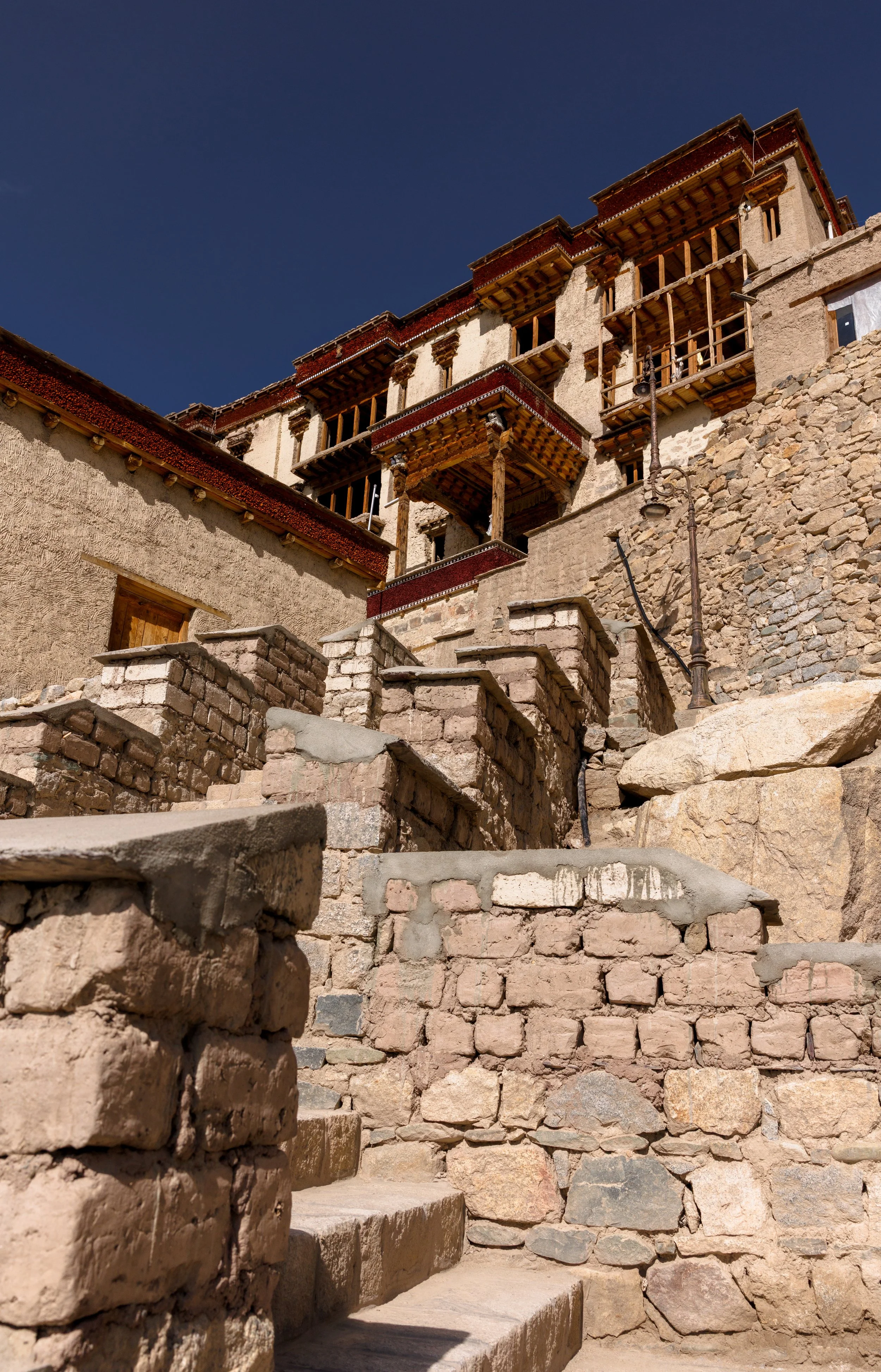
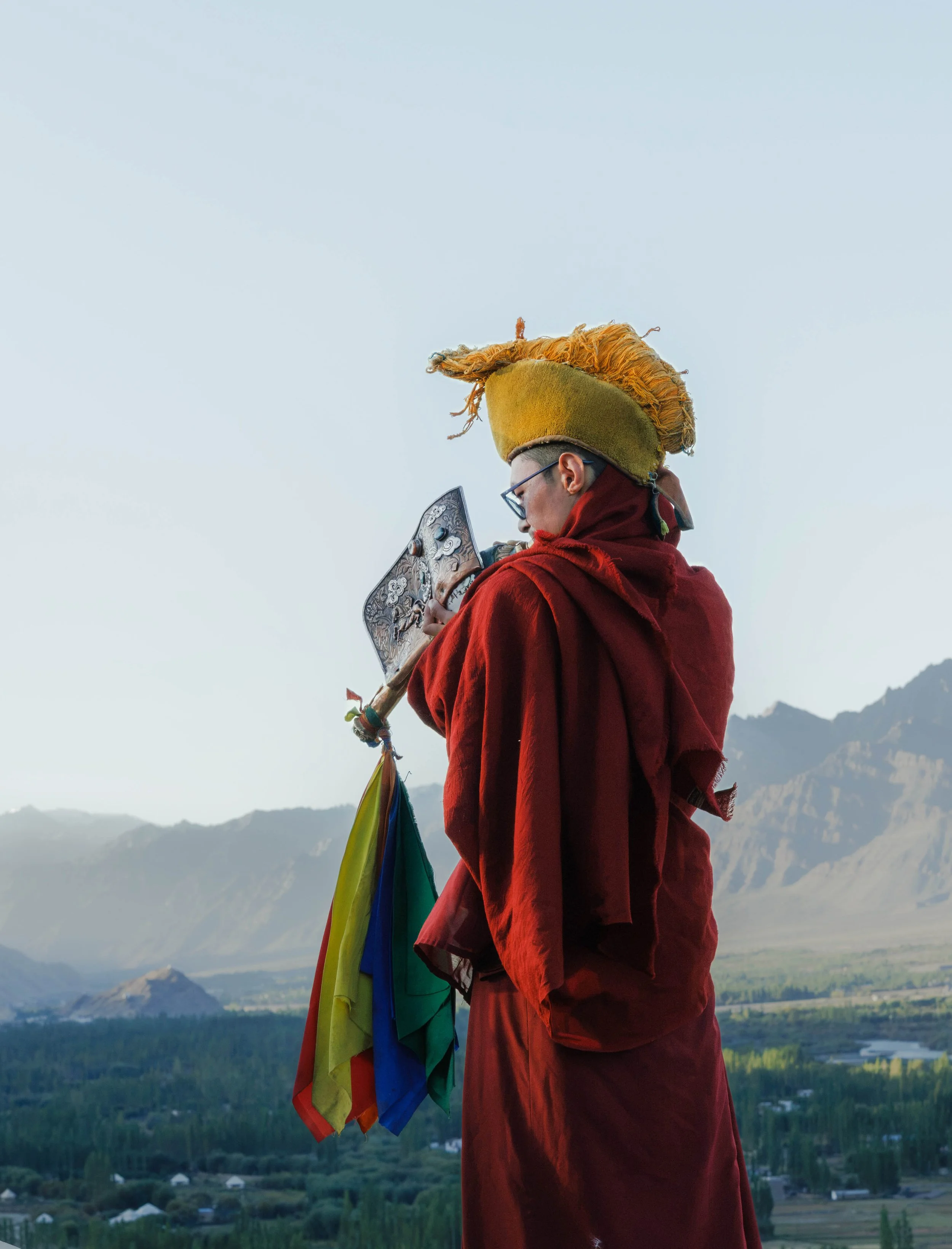
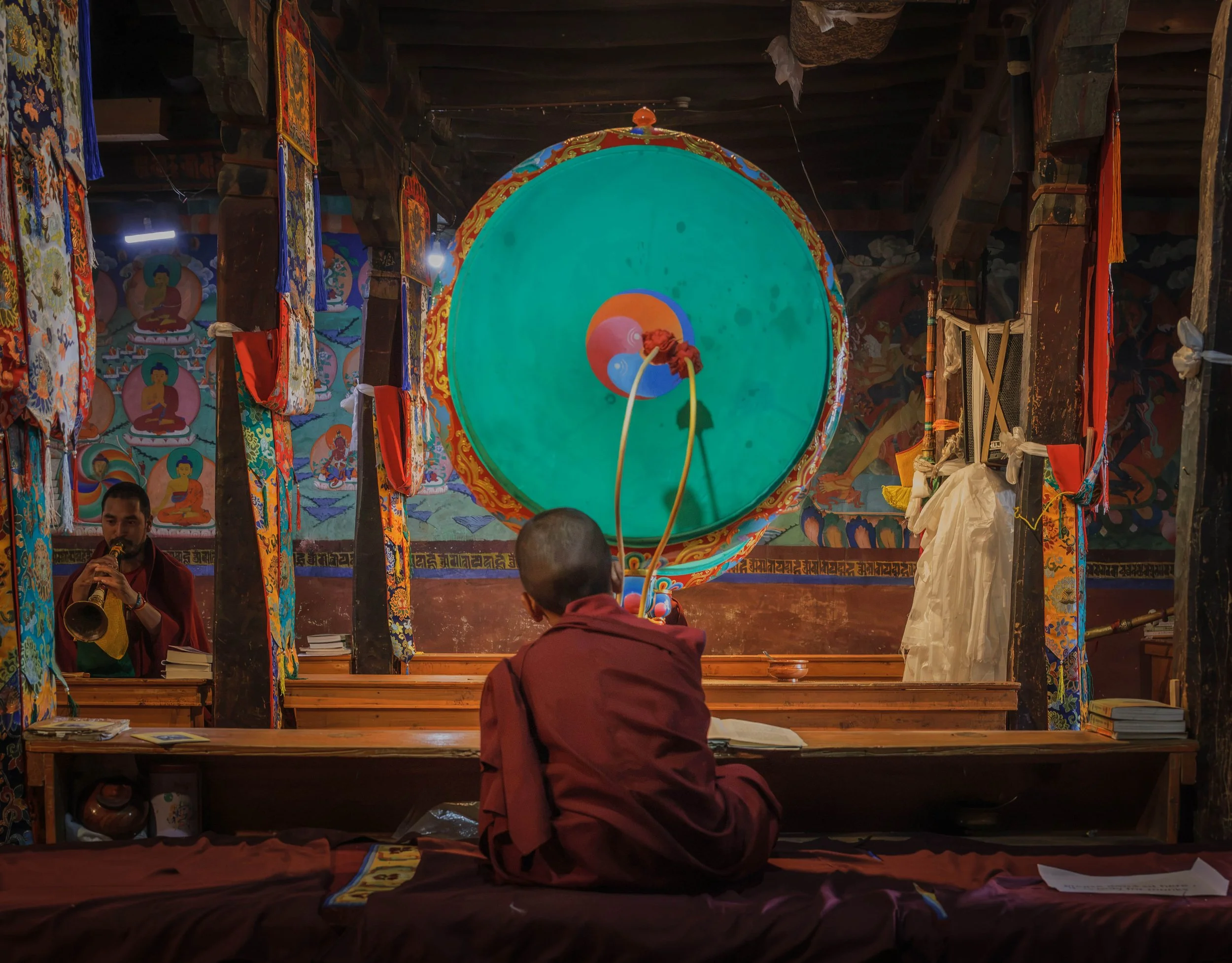
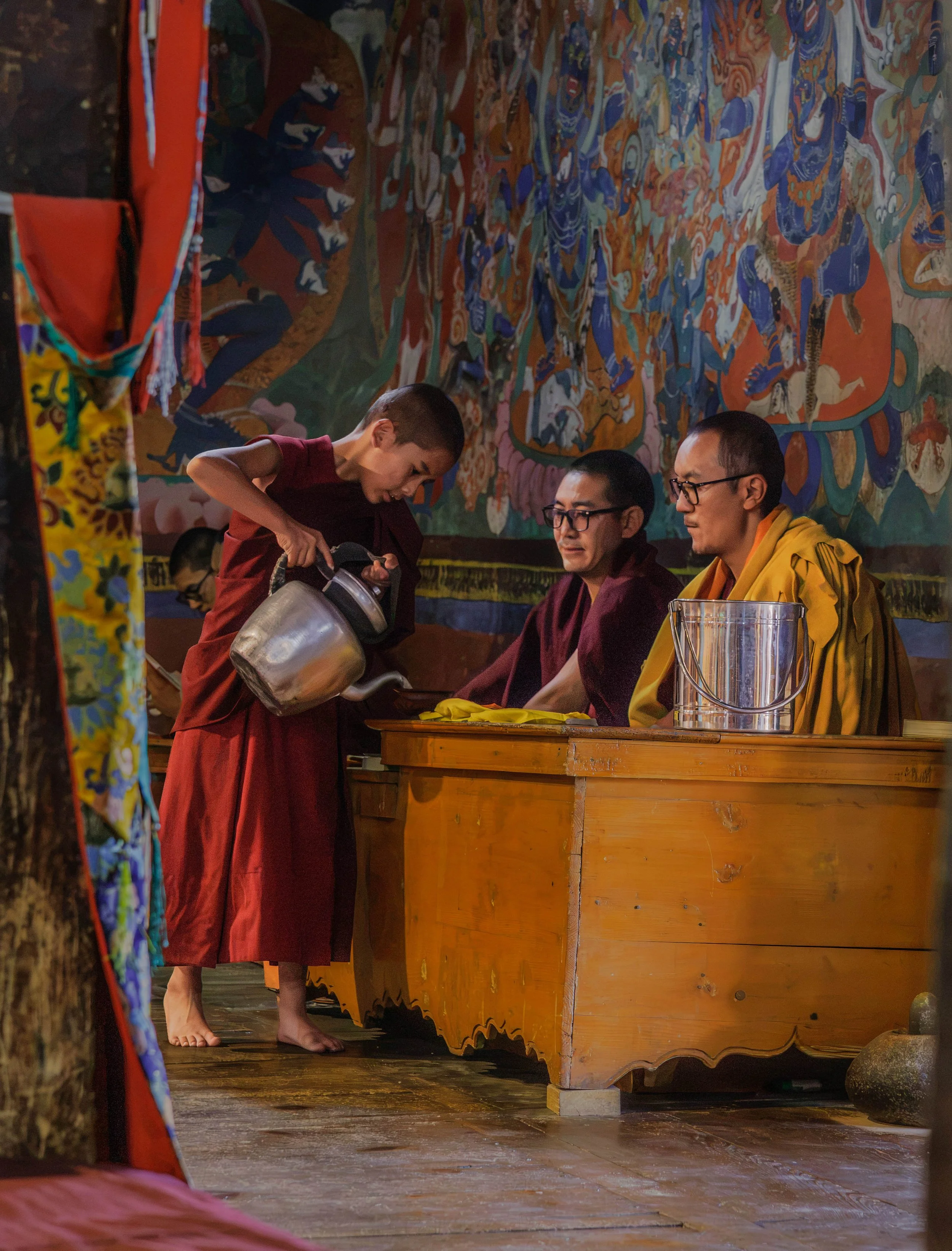
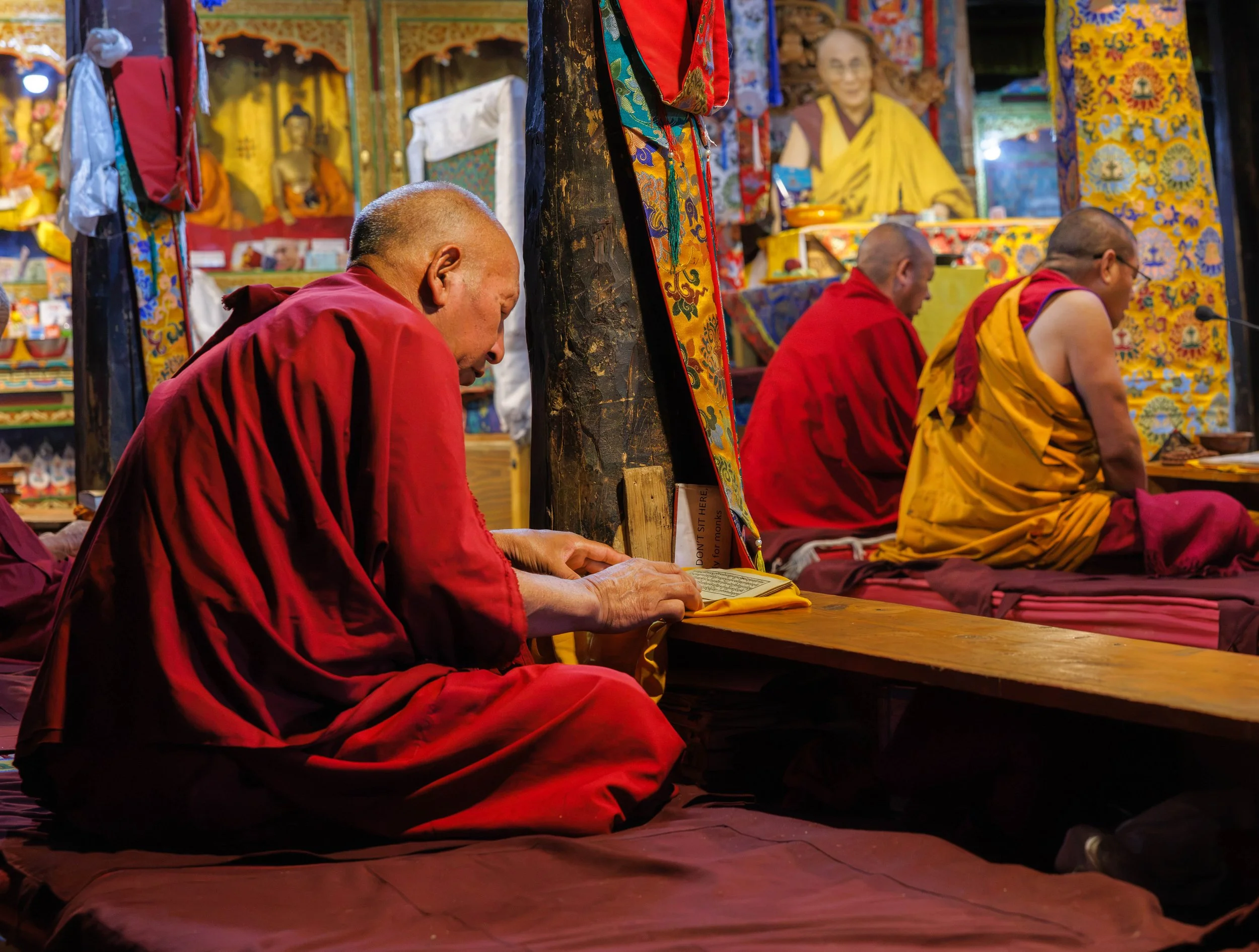
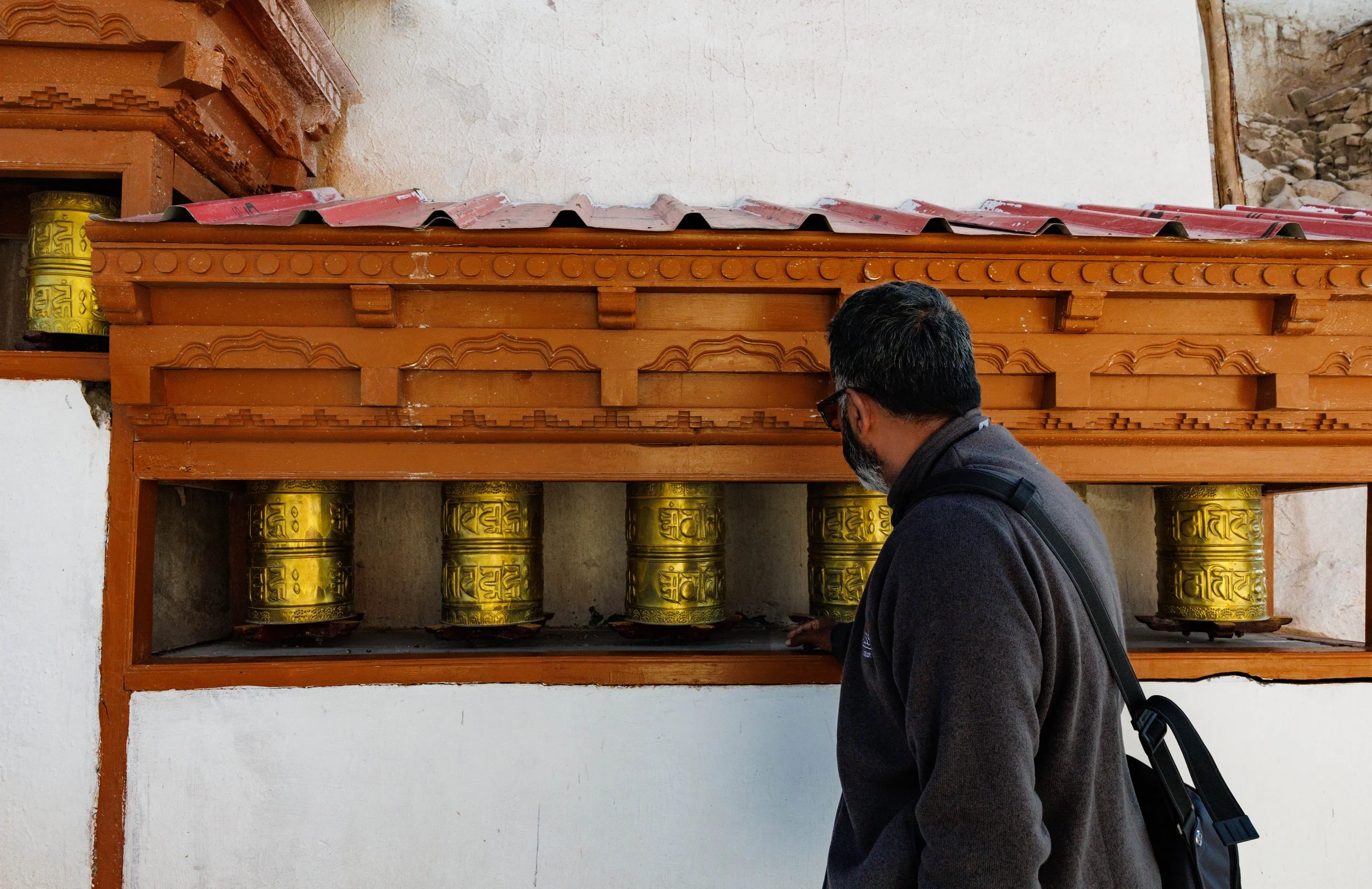
The next morning we joined the monks at Thiksey Monastery for morning prayer. As the sun rose over the Ladakh range, the air filled with the sound of chanting and conch shells. After greeting the sun on top of the roof of Thiksey Monastery, we went down to the hall where monks came for the morning prayer. Thiksey was the only monastery that allowed photography inside the prayer hall, and despite the challenging low-light conditions, I came away with a few shots I truly love.
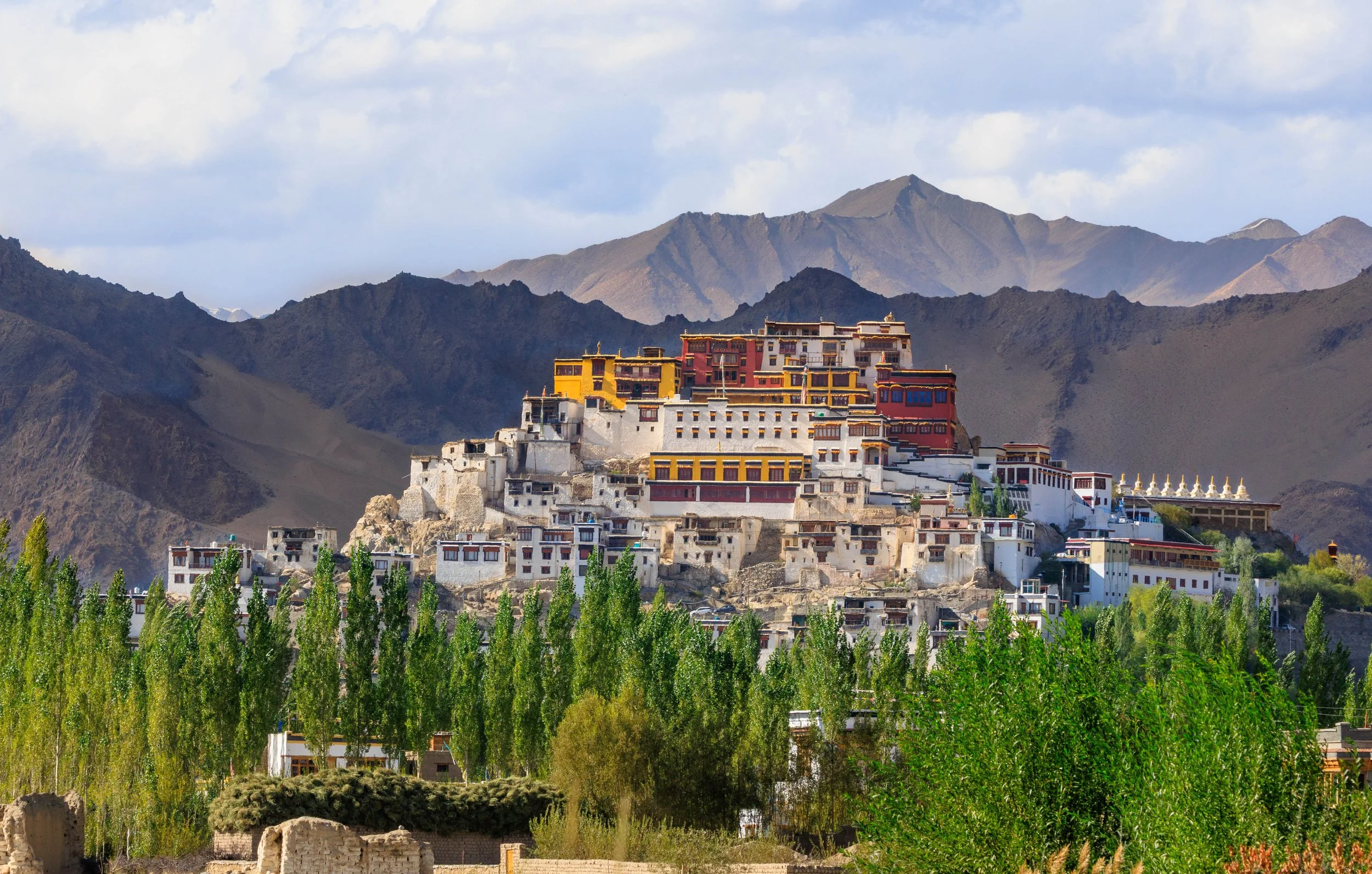
Thiksey Monastery
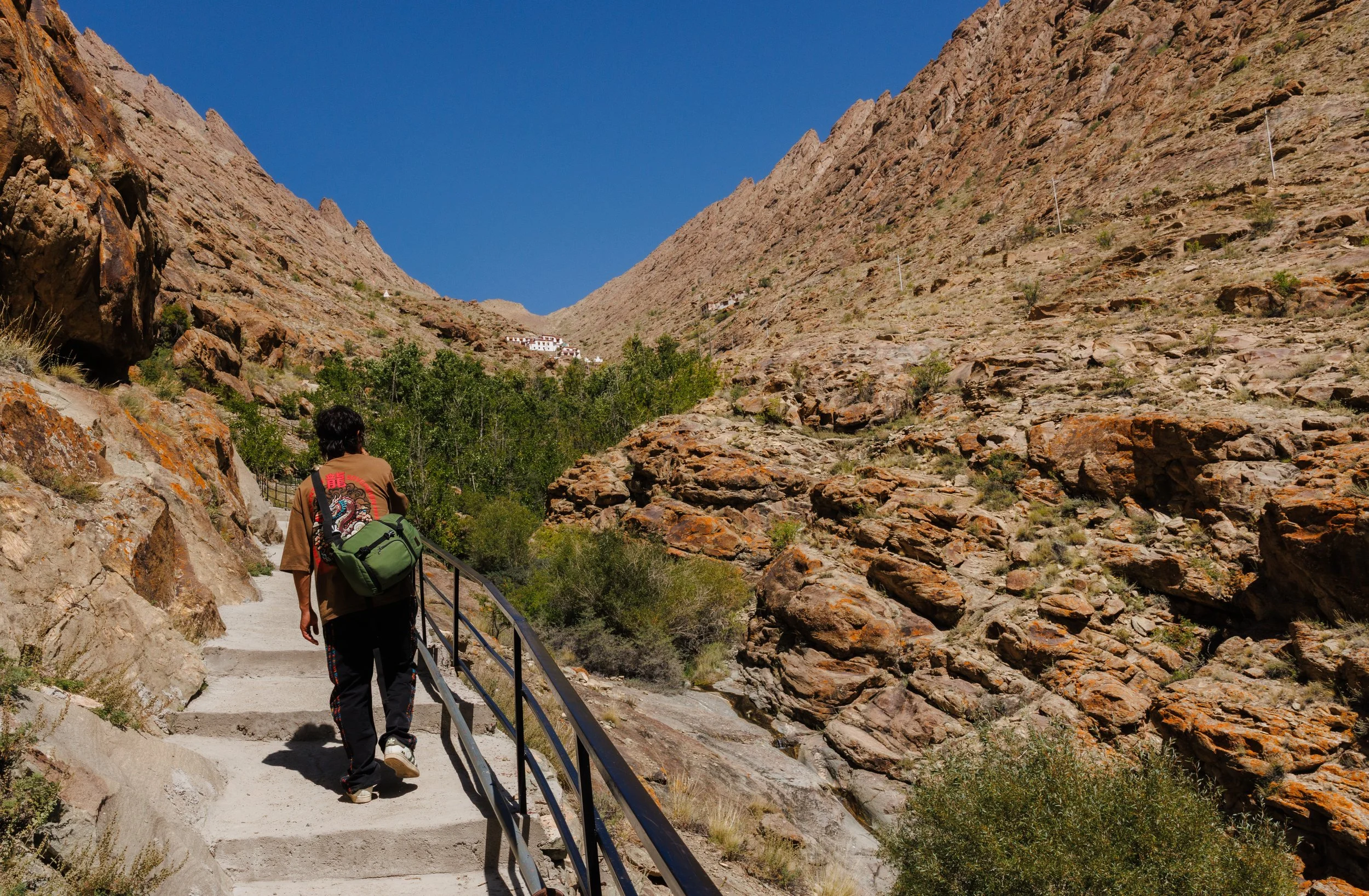
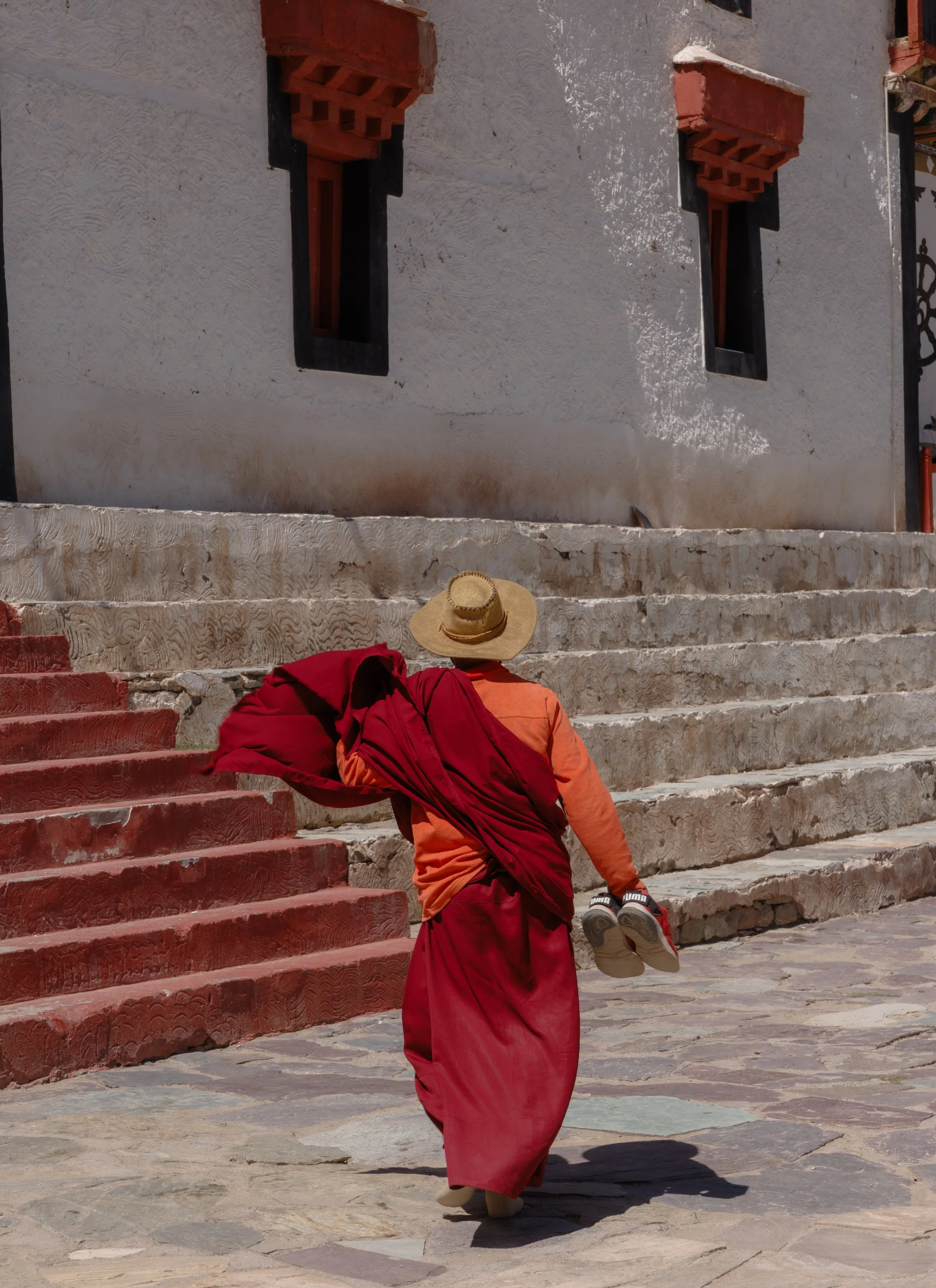
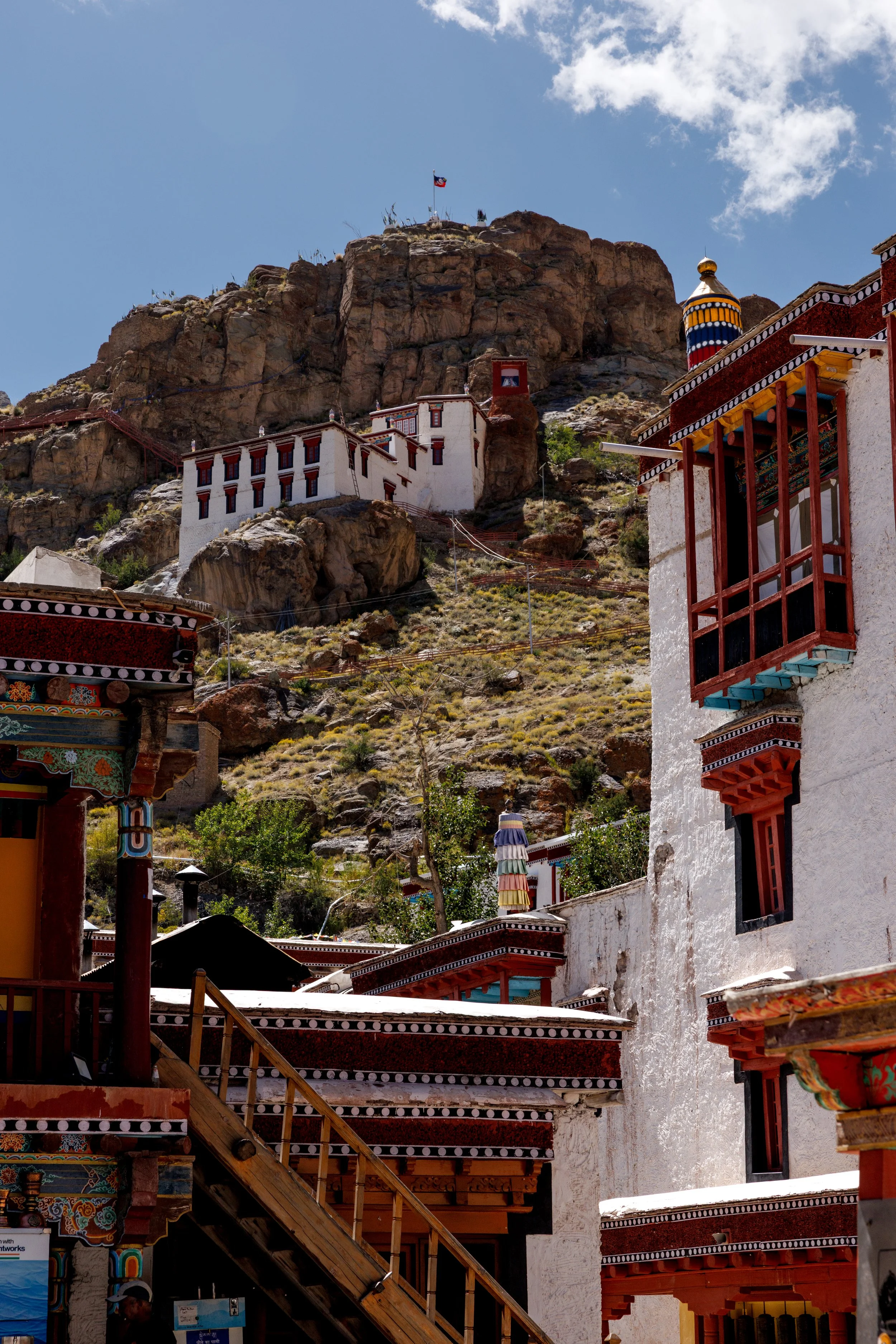
We still had one more day to spend, and we were looking for a good hike. Stanzin, our guide, suggested we visit Hemis Monastery and go for a short hike next to it. We thought that would be a walk in the park. Until we were out of breath hiking at 13,000 ft. At one point, our guide pointed to a very small white building on top of the mountain and said something about the cave. We nodded and said it was “cool”, not realizing that was the purpose of the hike. Stopping every 20 feet and sitting down on every bench ( thank you to a kind monk soul who decided to install those along the way), we finally made it to the top. Walking between small houses, we made it to the main structure. Inside, we found a small meditation cave that was used by the 13th-century Tibetan lama and Tantric master Gyalwang Gotsang for meditation.
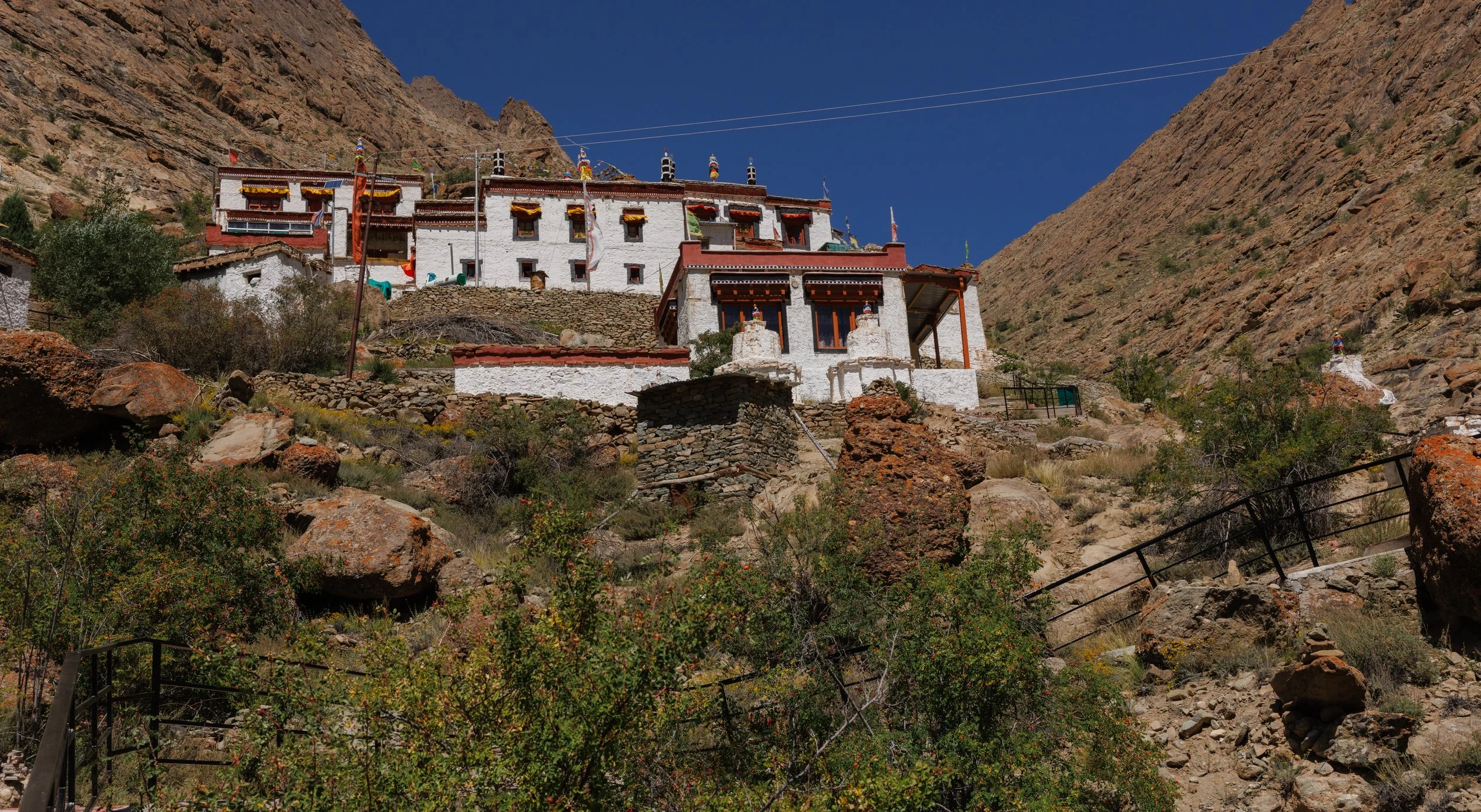
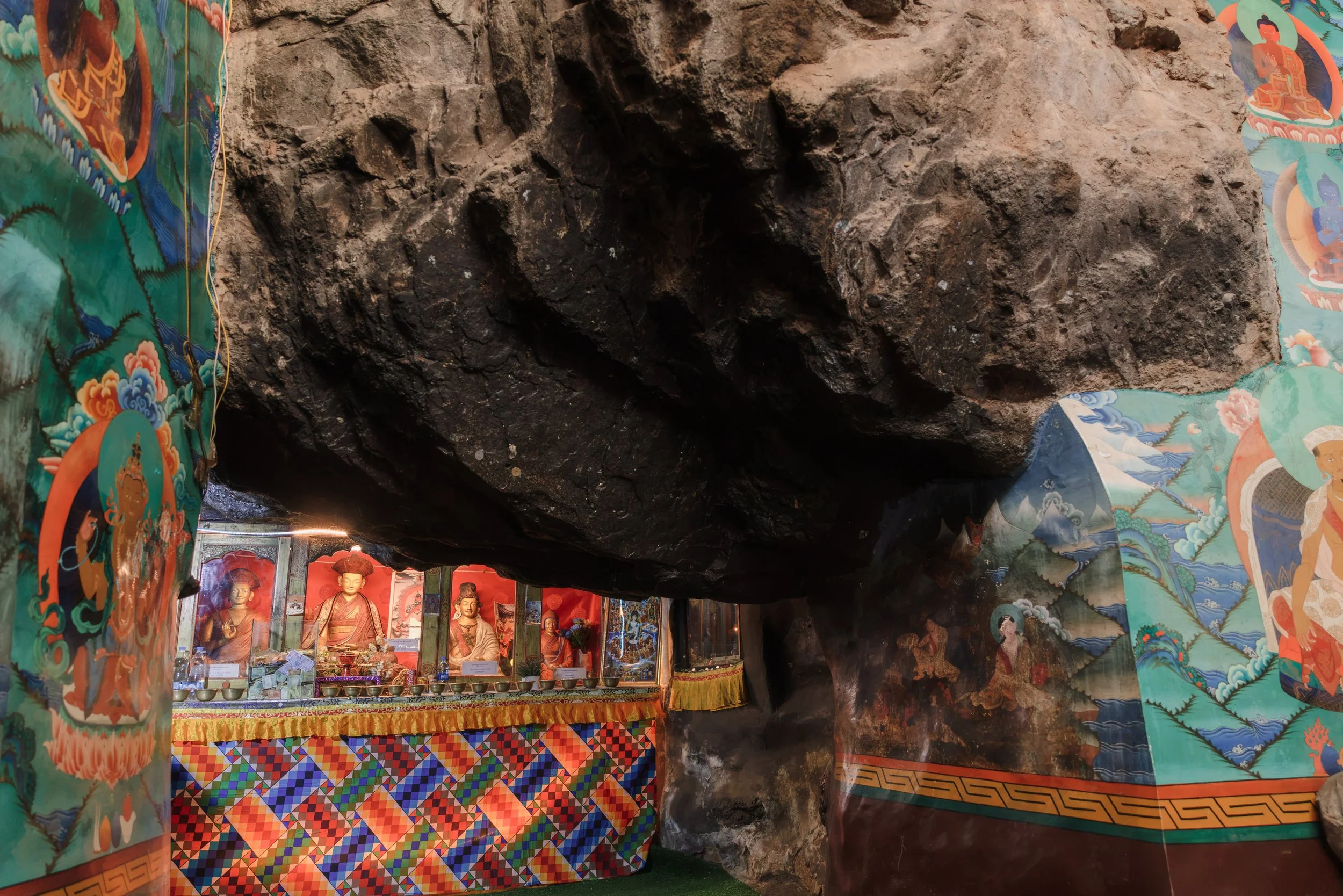
We took a break inside the cave, meditating, resting, breathing in the history of the place. That was our reward for the hike, which strained us and challenged our lungs and heart.
We came down from the mountain refreshed, rejuvenated, and … enlightened. Ladakh was showing us a different way of finding calm.
Next: over a high pass into the Nubra Valley, then Pangong Tso and the night sky.